
Molecular characteristics
RELN, located on chromosome 7q22.1, encodes reelin, a large secreted glycoprotein produced by specific neuronal populations during brain development (Fig2). In addition to its key function during embryonic brain development, reelin also plays an important role in the mature brain, where it contributes to synaptic plasticity, learning, and memory. During early development, reelin is produced in large amounts by Cajal-Retzius neurons located in the marginal zone of the cerebral cortex. High concentrations are also found in the cerebellum, particularly along the surface of the developing cortex, within the deep cerebellar nuclei, and in the internal granular layer, where it guides the migration and proper positioning of Purkinje cells. In the adult brain, the pattern of reelin expression changes: it is mainly secreted by a subgroup of GABAergic interneurons, reflecting its shift from a developmental role in neuronal migration to a function in maintaining synaptic organization and cognitive processes.
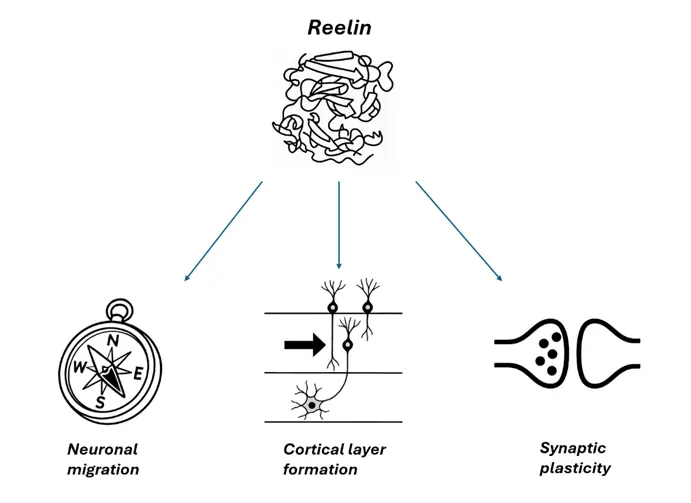
Figure 2 Biological function of reelin protein
Diagnostic testing
Pathogenic variants in RELN can be detected using next-generation sequencing-based approaches, such as multigene panels including RELNor whole-exome sequencing; whole-genome sequencing may also be considered when available. Candidate variants identified by these molecular methods must be confirmed by Sanger sequencing, and familial segregation analysis is required.
Type of mutations
In homozygous individuals have been identified null alleles, splice-site and missense variants, while in heterozygous patients mostly missense, which alter structurally important amino acids in the protein.
Pathophysiologic mechanism
Reelin, produced by specific neurons during both prenatal and postnatal stages, binds to receptors such as VLDLR and ApoER2, activating signaling pathways that regulate neuronal migration and cortical layer formation. After birth, it continues to modulate synaptic plasticity and dendritic development, contributing to cognition and synaptic homeostasis. Nonethelss the functional effects of RELN variants remain unknown. The gene was first characterized through studies of the reeler (rl/rl) mouse, a homozygous mutant showing severe disorganization of cortical layers caused by defective migration of pyramidal neurons. In contrast, heterozygous reeler (rl/+) mice, which are haploinsufficient for RELN, display normal cortical layering but present various cognitive and behavioral abnormalities, highlighting the importance of RELN expression levels for higher brain functions.
Genotype-phenotype correlations
Loss-of-function
Homozygous and compound heterozygous LoF variants are the most frequently reported and associated with LCH. This disorder is characterized by a smooth cerebral cortex, profound cerebellar hypoplasia, severe intellectual disability, global developmental delay, and refractory epilepsy. The complete absence of reelin disrupts neuronal migration and cortical lamination, leading to both cortical and cerebellar malformations. In contrast, heterozygous LoF variants have been associated with milder cortical malformations (e.g., frontotemporal lissencephaly), intellectual disability, and epilepsy, typically sparing the cerebellum. These variants show variable expressivity and incomplete penetrance, possibly due to a dominant-negative effect, whereby the mutant protein interferes with the secretion of the wild-type reelin (10.1172/JCI153097). This mechanism has been further supported by reports of individuals carrying homozygous in-frame exon-skipping variants within the central domain of RELN. Such variants result in frontotemporal-predominant lissencephaly with milder cerebellar hypoplasia, suggesting that expression of a truncated reelin protein may partially rescue cerebellar, but not cortical, development, whereas complete loss of RELN function causes severe cerebellar hypoplasia with loss of foliar architecture (10.1093/brain/awac164).
Gain of function
GoF are less common but have been recently described. Some authors have hypothed that certain inherited or de novoheterozygous RELNvariants associated with polymicrogyria act through a GoF mechanism, enhancing neuronal aggregation and abnormal cortical organization. Functional studies demonstrated that these variants increase reelin activity, resulting in excessive neuronal clustering and aberrant cortical architecture. (10.1172/JCI153097).
Network regulation
Network regulation plays a central role in the pathogenesis of RELN-related neurodevelopmental disorders, as the gene is essential for both early and late brain development. Although several studies have suggested a potential association between autism and GCC triplet repeats in the 5′UTR or specific SNPs in RELN, the evidence remains conflicting, reflecting the complex pathophysiology of ASD (10.3389/fgene.2022.869002). Moreover, interactions between reelin signaling and other pathways, such as mTORC1, may further modulate network effects in ASD (10.1002/humu.23584), often in combination with other genetic or environmental factors.
Recent studies have also revealed intricate genetic and epigenetic regulation of RELN in neurodegenerative and psychiatric disorders, including Alzheimer’s disease and schizophrenia (10.1016/j.neubiorev.2025.106032). However, further research is required to clarify these associations.
Future directions
Further avenues of research include several promising developments, such as:
• Repurposing of existing drugs, such as haloperidol, olanzapine, fluoxetine, valproic acid, and lithium, which have been shown to modulate Reelin and related signaling pathways (10.1016/j.neuropharm.2012.08.015)
• Development of new medications, reelin replacement or enhancement therapies, already explored in preclinical models (10.3390/ijms23031829)
• Gene therapy and RNA-based approaches, which, although still experimental, may offer strategies to correct or bypass pathogenic RELNmutations
• Functional characterization and deep phenotyping of patient-specific variants, which will be crucial for individualized therapeutic strategies and for stratifying patients in future clinical trials